Friday, July 17, 2020

Honors Summer Read 2020: Rules of Engagement

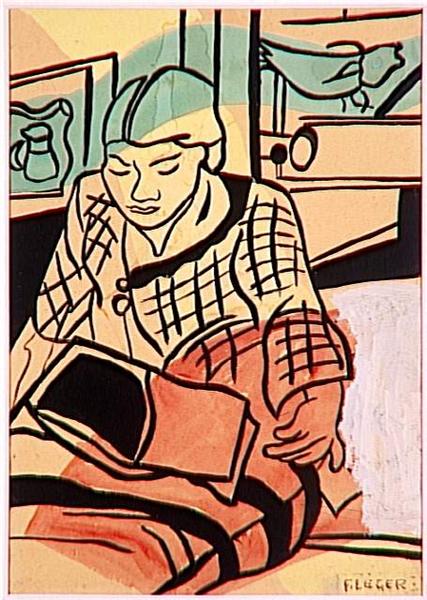
Reading, 1948 - Fernand Leger
"Reading" (1948) by Fernand Leger
Welcome to the ECU Honors Program's Enduring Questions website!

If you are enrolled in an Enduring Questions class for the fall semester of 2020 at ECU (EQ1 or EQ3), this website is for you. Read on!

Responses to questions on this website are designed to generate "virtual conversation." By virtual, we do not mean something that looks like conversation but isn't. Instead, we mean REAL conversation in a virtual environment--this website.  And this fall, incoming first- and second-year Honors students will be engaged in the same discussion. Ten percent of each student's grade in both EQ1 and EQ3 will be based on your responses to the questions raised here.

The sort of conversation we're looking for is academic in character. Thus, your responses should consist of clear, concise statements of your ideas crafted in standard English (not text-speak!). They should be long enough to convey your thoughts, but short enough for other readers to read and respond to fairly quickly. In short, you don't want your responses to be so long that you monopolize (or kill) the conversation by going on, and on, and on.....(we all know how irritating that can be!).

Obviously, responses should not use profanity. They should be civil and respectful. People do not always agree. Responses can be critical; however, all communication is expected to be courteous and professional. Contributors' positions may be questioned; their character should not.

The object here is to reflect on some of the issues raised by the text, to connect the reading to your personal experience, and to help first- and second-year Honors students get to know each other better.

When should I begin posting my responses?
As soon as you have read the opening pages of The Undoing Project by Michael Lewis.

When is this assignment due?
This writing assignment is designed to be completed before classes begin in August.  Details about where and how to account for and submit your word count total will be provided in class when the semester starts.

How many questions should I respond to?
We do not expect you to respond to each question, but you should respond to several representing different sections of the book. Hopefully, by the time you're done, every question will have at least one or two responses.

How much should I write?
Your responses should add up to a sum total of not less than 750 words.  Don't try to load up all 750 words into one or two comments.  You should also respond to comments left by other readers. And pose questions to other readers. (Check back later to see if anyone has responded to your comments-and respond to their responses.)  All of this writing will count toward your 750-word total.  Students are responsible for keeping track of their word total (you can cut and paste your responses into a Microsoft Word document, which has a word count feature).  This is not just a writing assignment, though; it's a reading assignment, too.  Every student is responsible for reading every word of the assigned text. Each question is linked to a particular page in the book.  If you answer a question related to a particular page, you are also testifying that you have read up to that point.

Where do I post my responses?
At the bottom of each question post, you will find a "comment" link. If it has a "0" beside it, that means no one has commented yet; as more people comment, the number will go up. When you're ready to weigh in, click on the "comments" button, read any previous comments, and start writing. Please sign your posts. And use your real name--not a nickname--so we can get to know each other).

More questions?
E-mail us at sbenton@ecok.edu!

Thursday, July 16, 2020

Engaging The Undoing Project

In this post, you will find links to several questions about Michael Lewis's The Undoing Project. These questions are identified by their page numbers and are listed in the order in which the issues they address are raised by the text.

Book Review: The Undoing Project – The Curious Learner
Once you've started reading the chapters listed below, click on the links, read the corresponding questions and comments other readers may have left (click on the "comment" button beneath each post to see them), and then join the discussion (or initiate it).

SPOILER ALERT:  Don't read questions before you've reached the page number associated with them.

Most posts have several questions. You may answer any of them you wish. It is not necessary to answer all of them.

There is only one question that every student is required to answer.  That's the last one, referred to here as "The Takeaway." Don't answer it until you've finished reading the book. Your answer is your promise that you have read the entire book.

As you are reading, underline any passages that you consider to be thought-provoking, insightful, or artfully expressed (unless you're reading a library copy, in which case, you may want to just make note). You may want to refer to one of the passages you have underlined in "The Takeaway."


Introduction (15-19)
Page 18. I, The Jury

Chapter One: Man Boobs (21-51)
2. The Outsider (52-84)
3. The Insider (85-115)
4. Errors (116-141)
5. The Collision (142-164)

6. The Mind's Rules (165-195)

7. The Rules of Prediction (196-211)

8. Going Virtual (212-237)
220. Faking It
9. Birth of the Warrior Psychologist (238-267)
261. FOMO

10. The Isolation Effect (268-290)
278. The Pitch

11. The Rules of Undoing (291-311)

12. This Cloud of Possibility (313-337)

Coda:  Bora-Bora (339-352)

Wednesday, July 15, 2020

18: I, The Jury

"The Jury" (1861) by John Morgan
Introduction (15-19)
18. One of the main subjects of this book is bias. Before you begin, go to the Project Implicit website and take one of the bias tests there. Afterwards, leave a comment letting us know which test you took.  Don't tell us your results. That's your personal business. But consider this: if members of a jury or employers in a free market or educators in a public school system are biased in a way that makes them instinctually favor one subgroup over another, what, if anything, can be done to counteract the inefficiencies that such bias produces?

Sunday, July 12, 2020

26. FTW


26. Daryl Morey describes his interest in using data to make predictions as "a cool way to be better than other people" (26).  He then goes on to say that he "really liked being better than other people" (26).

Do you think a college Honors student is more likely to be a person who want to be "better than other people"? Is it likely that other people will think of Honors Program students in this way?

Do you think society would be better off if more people wanted to be better than other people?

Is that kind of competitiveness healthy both for individuals and society?

Or is it healthy for one but not so much for the other?

Daryl Morey Bonus coverage:
Click here, here, here, here, and to learn how one 7-word tweet by the same Daryl Morey in October 2019 might have cost the NBA 400 million dollars and why some people have criticized him and some have celebrated him for it.

27. Experts and The Unknown

Sports Illustrated, '87 Indians, and a few bucks bring back ...
27. When the Cleveland Indians did not win the 1987 world championship in baseball, Daryl Morey realized that "Maybe the experts didn't know what they were talking about" (27).  He then proceeded to become a more qualified expert.

Think of a time when something you or "the experts" thought was going to happen did not, in fact, happen. How did you respond?  Did it make you skeptical of experts, your own judgement or both?

Would you describe yourself as someone who is comfortable with unknowns?

Or do you feel much more comfortable in environments where results are predictable?

28. The Confidence Man

The Music Man (1962) | Columbus Association for the Performing Arts
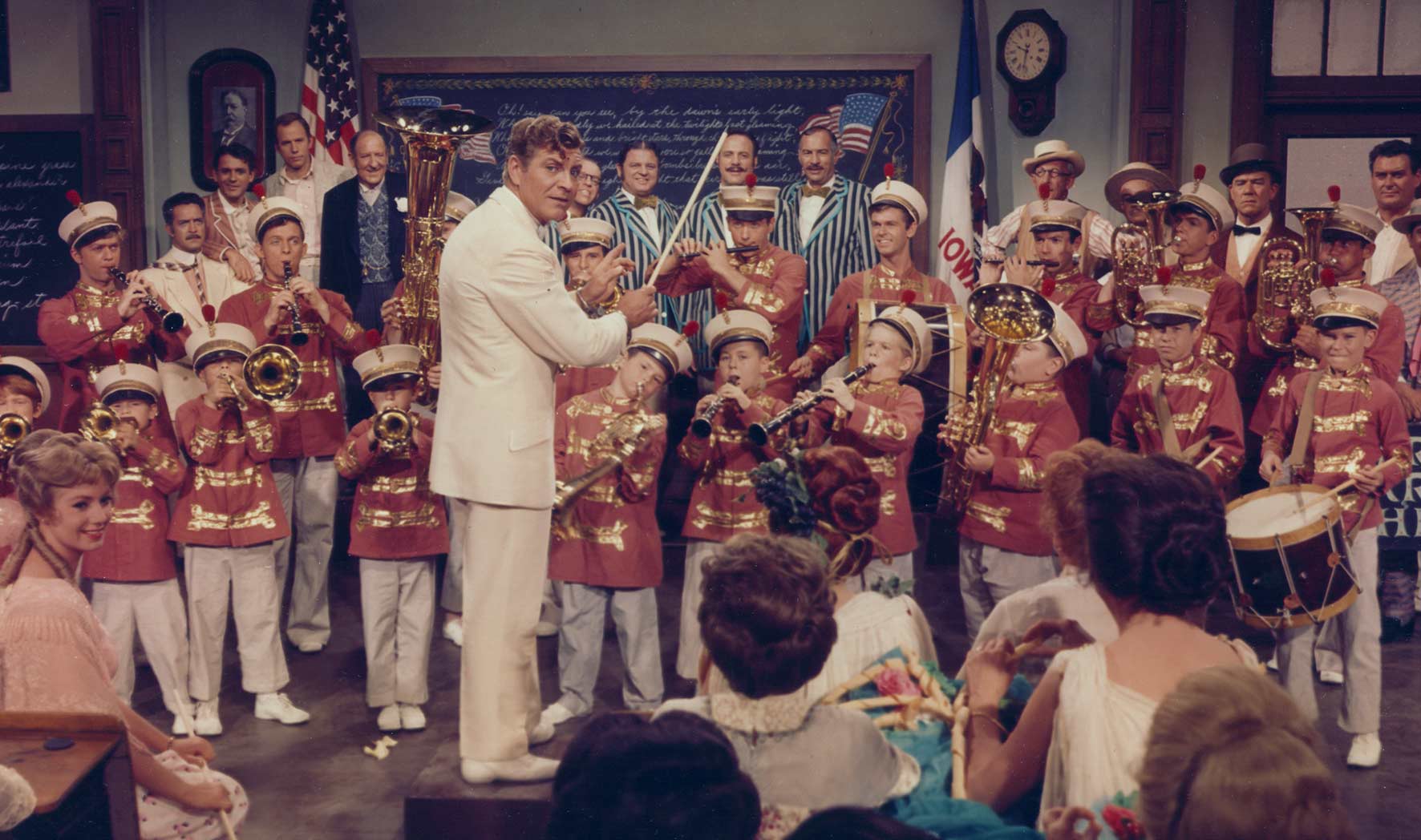
Still from "The Music Man" (1962), starring Robert Preston
28. According to Lewis, Morey learned that "a big part of a consultant's job was to feign confidence" (28).

Can you think of any jobs in which feigning confidence is beneficial for positive results?

Do you think we should be thankful for people who "feign confidence" because, for example, they can inspire other people when results are unsure?  Or is feigning confidence a kind of deception that can lead to more problems?

Are there any professions in which a reluctance to feign confidence would be beneficial for everyone involved?

30. I Did It My Way

Felix Gonzalez-Torres, "Untitled" (Public Opinion), 1991. Black rod licorice candies individually wrapped in cellophane, endless supply, ideal weight: 700 lbs (317.5 kg), dimensions variable. Solomon R. Guggenheim Museum, New York, Purchased with funds contributed by the Louis and Bessie Adler Foundation, Inc., and the National Endowment for the Arts Museum Purchase Program 91.3969 © The Felix Gonzalez-Torres Foundation. Installation view: Lenka Clayton and Jon Rubin: . . . circle through New York, St. Philip's Church, New York, March 1–31, 2017. Photo: Kristopher McKay © Solomon R. Guggenheim Foundation
"Untitled (Public Opinion)" (1991) by Felix Gonzalez-Torres
30.  Morey describes Leslie Alexander's "indifference to public opinion" as a valuable character trait.  

Consider a profession you might be pursue after graduation from college.

To what extent might an "indifference to public opinion" be advantageous or disadvantageous in that job?  

Click here to learn more about the conceptual art project depicted in the image above.

31. Dunning-Kruger

31. Morey defines a nerd as someone who "knows his own mind well enough to distrust it."

Compare this observation with the Dunning-Kruger effect, illustrated in the diagram above.

Have you ever had an experience in which your knowledge in a field correlated with the degrees of confidence represented on the diagram?

41. The Eye of the Beholder

Endless Debate - Norman Rockwell
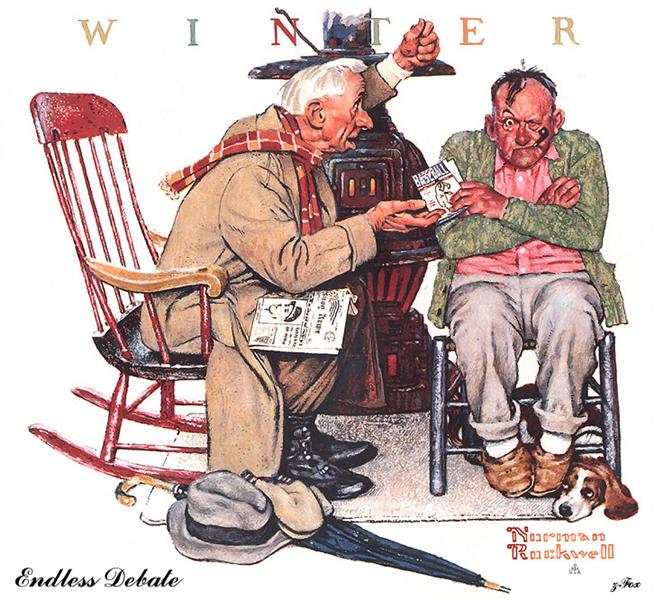
"Old Friends" (1956) by Norman Rockwell


41. According to Tversky and Kahneman, the human mind is "just bad at seeing things it did not expect to see, and a bit too eager to see what it expected to see" (40-41). 


If evidence is not always enough to counteract conformational bias, is there a way to change what someone expects to see? Can you think of other ways to persuade someone other than giving them evidence?

79.The Big Five

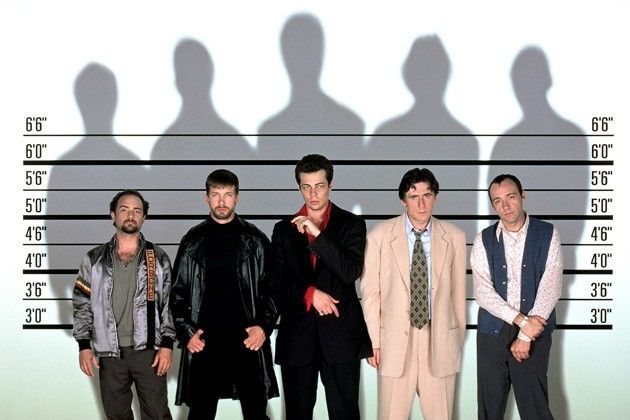
"The Usual Suspects" (1995)

79. Kahneman comes up with a handful of traits that he expects will correlate with an Israeli recruit's fitness for combat service (78-79).


If you were asked to come up with five traits that you expect would correlate with an ECU student's fitness for graduating from our Honors Program, what five traits would you include on this list?

Would there be any way to measure those traits before someone comes to ECU? Would interviews, an essay question, an ACT score, a grade point average be enough?

81. I, Robot

Metropolis (1927) – MUBI
"Metropolis" (1927)

81. 
Lewis reports that the people Kahneman was training to interview recruits hated his methods because it made them feel like robots. It did this by diminishing the importance of their intuitive ability to evaluate a candidate's character (81).

Consider a profession you might want to have after you graduation from college. Can you imagine a scenario in which you might be asked to do something for professional reasons that would make you feel "like a robot"?

Do you think you would have difficulty doing something like that? Would you resist?  Do you think workers should resist doing things that make them feel like robots?

83. Gut Feelings

Some gut bacteria may increase bowel cancer risk, research ...
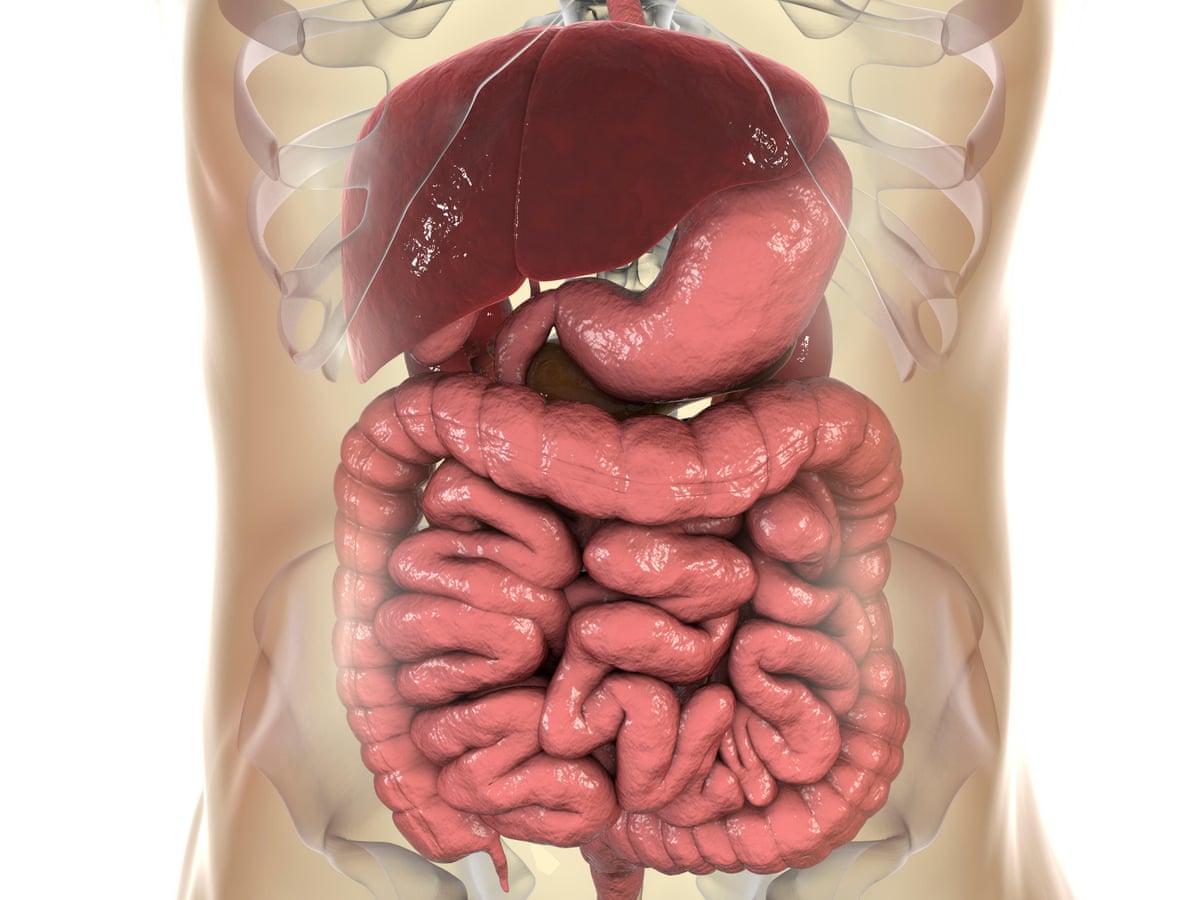
"Human Intestines"

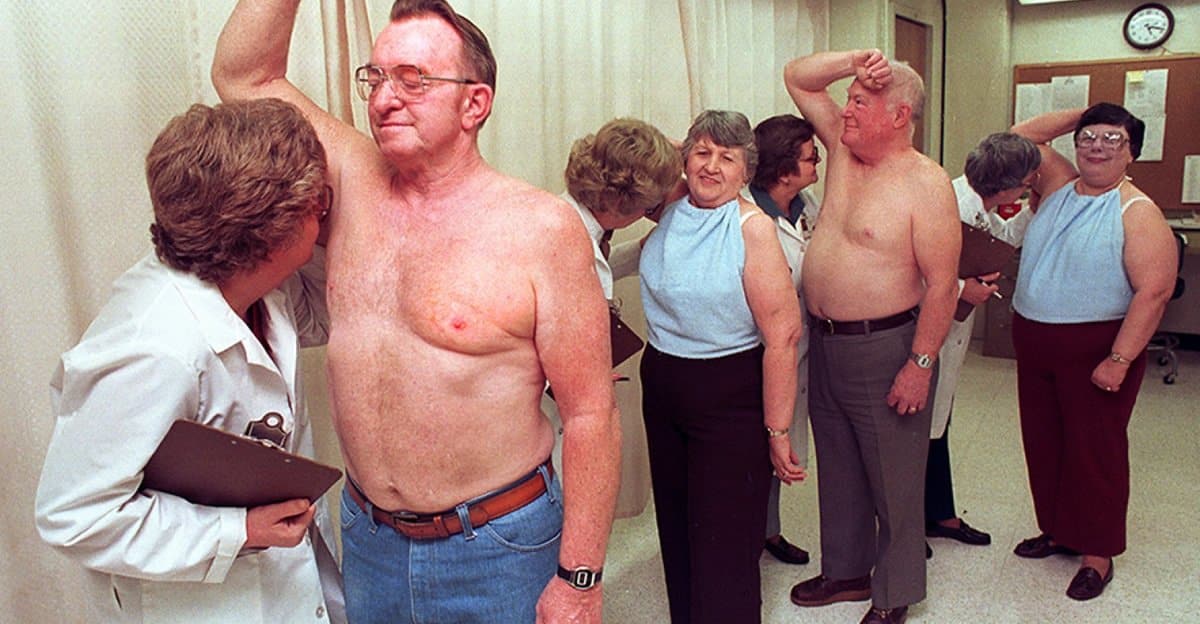
83. Kahneman discovers that "gut feelings" are not reliable tools when it comes to evaluating someone's else's potential, and Lewis reports that Kahneman enjoyed greater success when he found a way to get people to ignore their gut feelings when they are trying to evaluate someone else's character.


In a more general sense, do you think society is better off when people rise above and/or disregard their gut feelings?  Or is disregarding gut feelings dangerous? Are you someone who trusts your gut feelings?  Or have you learned that gut feelings and first impressions can lead you to make mistakes?

84. Instant Marshmallow

Famed Marshmallow Test Yields Fresh Surprises: Kids Today Have ...
The Marshmallow Test Revisited

84. Lewis reports that Walter Mischel's research that shows how a small child's ability to wait a few minutes without a treat in order to receive a greater treat later correlates with IQ and family circumstances, and, later on in life, high scores on standardized tests, positive sense of self worth, lower levels of body fat, and greater likelihood to suffer from some addiction.

Do you think this study suggests that success is a reflection of character (i.e., will power, self-discipline)?

Does Mischel's research suggest that "family circumstance" correlates with character? If economically stable families produce children who are more likely to resist temptation to eat a marshmallow, what does that tell us about the "character" and the future potential for success of a three-year-old from a less economically stable family? Does it teach us something about their character? Or does it teach us more about the enduring effects of poverty and other forms of instability on their behavior?

Walter Mischel Bonus:
Click here to watch a short video from NPR in which Walter Mischel says his Marshmallow Test research has been misunderstood.

Here's another video in which Dr. Mischel talks about his research.

88. Majoring in Wonder

88.Tversky dedicated his PhD dissertation to his father who, he says, "taught him to wonder."

Have you ever had someone in your life you encouraged you to take pleasure at the "mysteries of existence"?  Describe that person and how they taught you.

What current intellectual curiosities do you have that you hope to learn more about during your college years?

94.Ch-ch-changes

"Four Ages in Life" (1902) by Edvard Munch

94. Tversky reports that his experience in the army changed him significantly.  As he wrote to his sister, "Letters cannot convey the drastic changes of a boy in an army uniform that you will meet. He will be very different from the young boy in khaki shorts that you left at the airport five years ago" (94).


Have you ever undergone a drastic change of this kind?  Have you ever compelled yourself to change in some way?

If someone were to compare the person you are now to the person you were five years ago, would the differences be remarkable?

97. Oops

Charlie Chaplin
97. Tversky attributes some his success in life to his indifference to embarrassment.


As his friend Avishai Margalit puts it, "Amos thought people paid an enormous price to avoid mild embarrassment . . . and he himself decided very early on it was not worth it" (97).

Would you say that a fear of mild embarrassment has ever held you back?  Have you ever found a way to overcome your mild embarrassment and been thankful for it?

98. I'm Outta Here

Rome, Metro Exit, 1984 - Jeffrey Smart
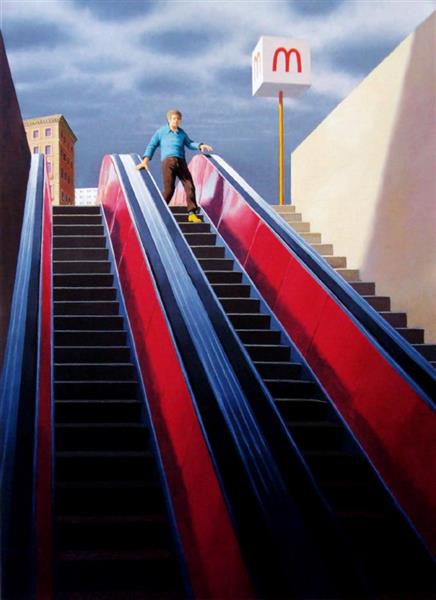
"Rome, Metro Exit" (1984) by Jeffrey Smart

98. Tversky's children say that their father was quick to judge, and when their parents went to see a movie, he would decide in the first few minutes whether it was worth seeing. If he didn't think it was, he would leave.


From one perspective, Tversky's determination not to waste time can be seen as a positive trait.

From another perspective, however, this behavior might be seen as demonstrating insensitivity or incuriosity.

Do you think it is more important to be true to yourself, even if that means hurting other people's feelings? Or is it more important to be flexible and make compromises in order to get along with others and try new experiences?

Compare the example in the book with an example from your personal experience.

101. What Kind?

Open Door, Brittany, 1896 - Henri Matisse

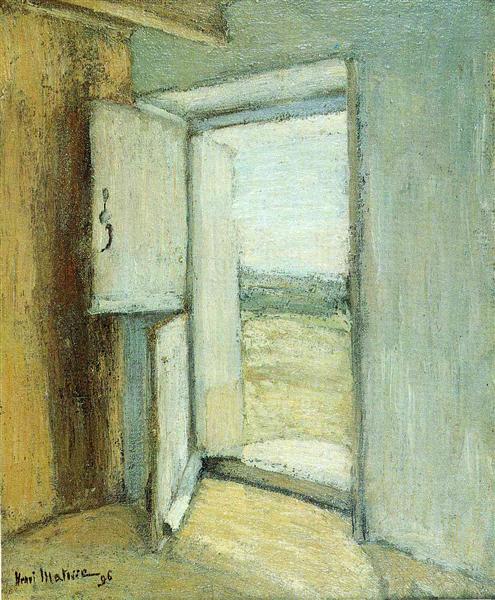
101. Tversky suggests that the big choices we make in life--such as which profession we choose, what we major in, what college we go to, or even who we marry--are "practically random." Our deepest traits are revealed not by these decisions, but by the way we react to the decisions we've made. As he puts it, "That I became a psychologist is not very revealing. What kind of psychologist I am may reflect deep traits."

Similarly, some people might say where you go to college matters less than how you go to college; what you major in is less significant than what kind of student you become.

What kind of student do you aspire to be?

115. Color Blind?

<p>“Past Times” by Kerry James Marshall sold for $21.1 million on Wednesday to the music mogul Sean Combs.</p>
"Past Times" (1997) by Kerry James Marshall 

115.  According to Tversky, classification reinforces stereotypes, so "If you want to weaken some stereotype, eliminate the classification" (115).


Is this an implicit argument against affirmative action? Would a decision to eliminate discussion of racial or gender classifications weaken stereotypes about the people who are classified in particular ways by society today? Or might  it make it more difficult to challenge existing prejudices?  For example, if we refuse to talk about race with friends and family, are we empowering racism or defusing it?

117. Material Girls and Boys

117. Lewis refers in passing to the United States as "the most materialistic culture of the face of the earth." Do you think that's a fair assessment of this country?  What evidence might be provided to substantiate such a claim?  Is calling a country "materialistic" (wanting lots of things) the same thing as calling it "rich" (having the ability to acquire lots of things)?

On a related note, if wealth is not widely distributed throughout a country, is it fair to say that the country is rich (as opposed to saying that some people in the country are rich)?  If you can find a reliable source on the internet that suggest which country is the richest, and where the United States ranks on that list, share it. When you look at the list, consider this:  to what degree is the wealth of a nation a reflection of the character of its people?

131. Fake News, Hoaxes and Conspiracy Theories

The Anatomy of Humbug excerpt - Business Insider
131.Lewis refers to a hoax in the United States in the 1950s that led many people to believe advertisers could transmit subliminal messages in movies that made people want to buy more Coke or popcorn.

Suffice it to say that the age of the hoax is not entirely behind us. Have you ever been fooled by a hoax (not counting your childhood years)? If so, what did it take for you to realize you'd been fooled?

If you saw an alarming news item today and were not sure whether it was a hoax or not, what sources would you consult to determine whether the news item was or was not true?

Have ever visited Snopes.com?  If you haven't, check it out. Do you think it is reliable?

132.Mind Changer

Woman plays violin while surgeons remove tumour from her brain ...
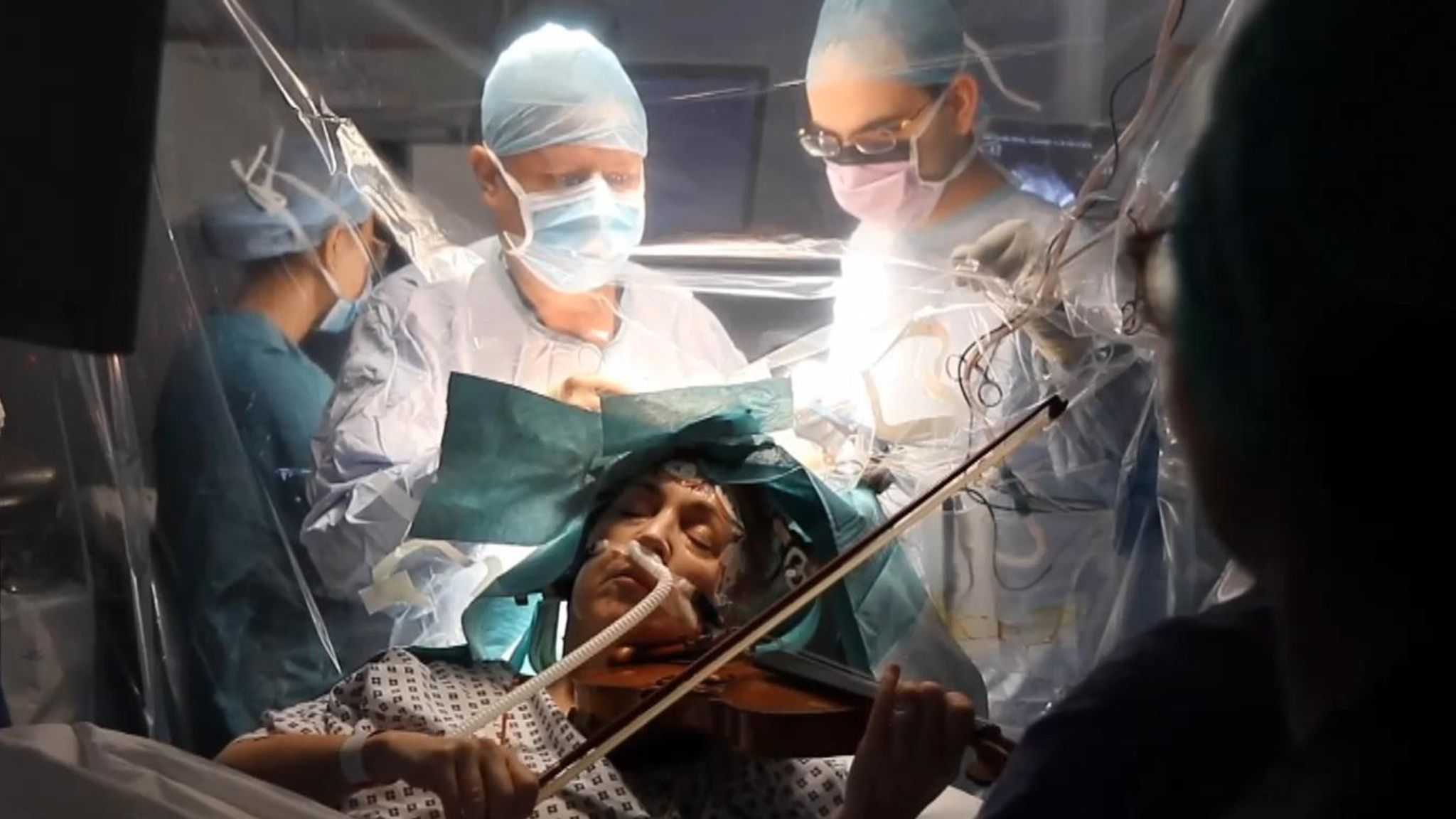
"Patient Plays Violin during Brain Surgery"

132. Lewis describes Kahneman as someone who easily accepts failure, who isn't afraid of it, who thinks of himself as someone who actually enjoys changing his mind.

Do you know anyone who enjoys changing their mind? Do you think people who change their minds a lot are sometimes just weak or shallow?

Have you ever changed your mind about something significant? At what point in the process--if ever--was it "enjoyable"?

Saturday, July 11, 2020

134. Shark!

"Untitled (First Abstract Watercolor)" (1910) by Wassily Kandinsky
134. Eckhard Hess's research shows that people's pupils shrink when they taste something unpleasant, see a shark, or see abstract art. Presumably, lemon juice produces disgust and a shark produces fear. But which of these feelings might abstract art produce? And why might someone go to an art museum or buy a work of art that produces such a feeling?    

140. How to Think

Art Institute on Twitter: "What is “The Thinker” thinking? Post ...
"The Thinker" (1904) by Auguste Rodin


140. One of Kahneman's students said education is "knowing what to do when you don't know."


What would be the best way for a school or a class to provide students with that kind of an education?

148. Confirmation Bias

148. Kahneman was interested in the way the psychologists in Ward Edwards's lab were unable "to face the evidence of their own folly" (148). He went on to conclude that "This is what happens when people become attached to a theory. They fit the evidence to the theory rather than the theory to the evidence. They cease to see what's right under their nose" (149).

Another name for this tendency to look for evidence that supports your theory is Confirmation Bias. Not surprisingly, many people would have no difficulty pointing out someone else's confirmation bias. But far fewer people are able to admit their own confirmation biases.

Have you ever abandoned a theory that you held onto for some time in the face of conflicting evidence?

155. Odd Couples

Ghost Wars: How Reagan Armed the Mujahadeen in Afghanistan ...
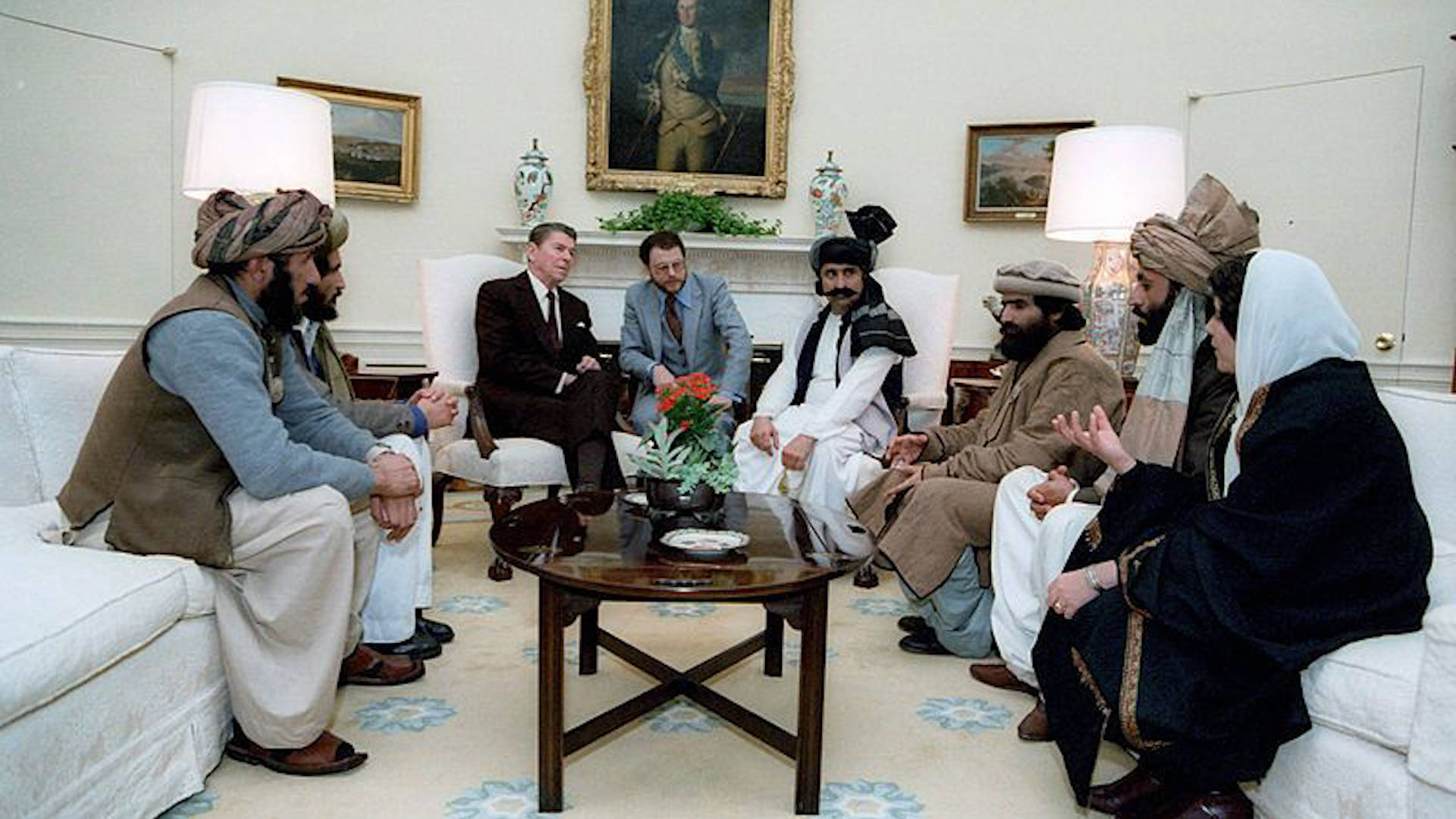
"Meeting with a group of Afghan Freedom Fighters, Mujahideen, to discuss Soviet atrocities in Afghanistan, especially the September 1982 massacre of 105 Afghan villagers in Lowgar Province" (1983), photograph by Michael Evans

155. Kahneman and Tversky worked well together although they were, in many respects, opposites: "Danny was always sure he was wrong. Amos was always sure he was right. Amos was the life of every party; Danny didn't go to parties. Amos was loose and informal; even when he made a stab at informality, Danny felt as if he had descended from some formal place. With Amos you always just picked up where you left off, no matter how long it had been since you last saw him. With Danny there was always a sense that you were starting over, even if you had been with him just yesterday."

Many of us have had relationships with people who are different than us. After all, no two people are the same. But friendships between people who have different political or religious views is rarer. Have you ever been friends with someone or had a teacher you liked whose view of the world or a particular significant issue was diametrically opposed to yours?

179. The Side Eye

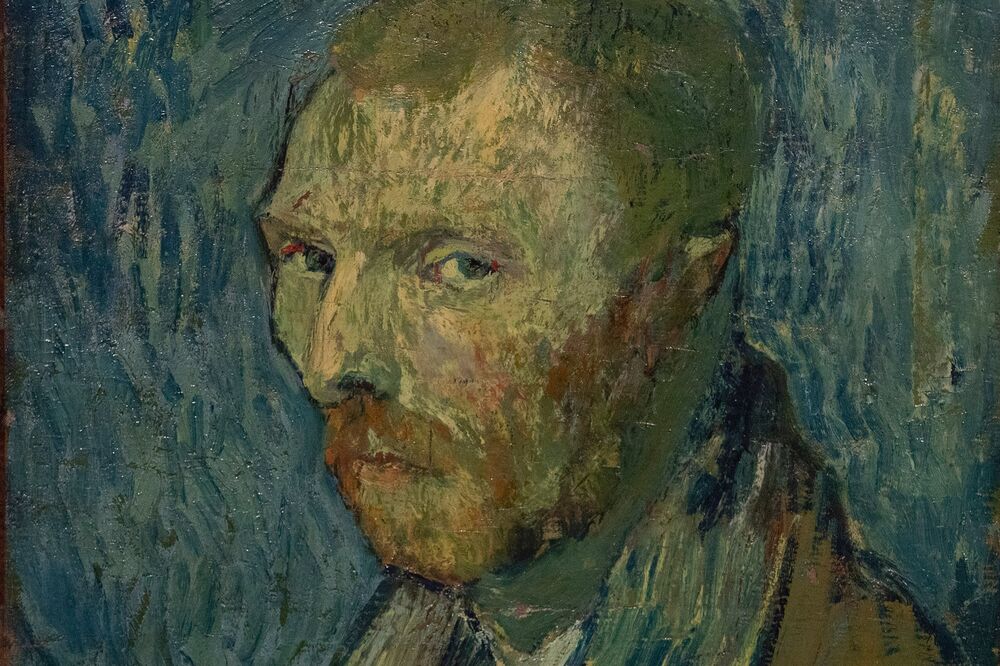
The contested painting by Vincent van Gogh, a 1889 self-portrait. 
"Self-Portrait" (1889) by Vincent Van Gogh

179. According to Kahneman, the "engine" of his collaboration with Tversky, was Tversky's willingness to "suspend disbelief when we were working together" (179). Instead of giving in to his impatience and giving voice to his skepticism, Tversky trusted that hearing out Kahneman was worth his time.

Why do you think it is that some people tend to be distrustful and impatient with others?

Is this a widespread problem in our society? Is it a problem that social media makes worse?

Does it have to do with the way people have been raised?

What kind of person tends to be distrustful and impatient?

180. . . . Each Other's Sentences

geromecollaboration
"A Collaboration Corneille and Molière" (1873) by Jean-Léon Gérôme

180. Kahneman explains that he and Tversky "were quicker understanding each other than we were in understanding ourselves." He goes on to say that "The way the creative process works is that you first say something and later, sometimes years later, you understand what you said And in our case it was foreshortened. I would say something and Amos would understand it" (180). In other words, Kahneman and Tversky did not have a teacher/student relationship. It was not the case that one was the expert and the other was the learner. They were peers, and they taught each other through thoughtful, creative dialogue and meaningful feedback.

Not all small group discussions are this productive or rewarding, though. Why is it that some collaborations are mutually beneficial and others aren't? What are the key ingredients of a productive, intellectual collaboration? Is it mostly a matter of attitude? It is mostly a matter of having participants who have a similar level of knowledge and expertise? Does it help to have participants who are alike in their views or is it important to have participants who are unlike each other?

182. Let Us Now Obfuscate

"Self-portrait with brother Philipp, Justus Lipsius and Another Scholar" (1611) by Peter Paul Rubens

182. Lewis reports that in the academic world "it wasn't quite respectable to be easily understood" (182). Which do you think is a bigger problem in today's society: people who use bigger words than they need to in order to explain simple concepts because they want other people to think they are more knowledgeable than they really are? Or is it people who are skeptical of expertise and are impatient with "big words" and complicated concepts?

192. Send in the Clowns?

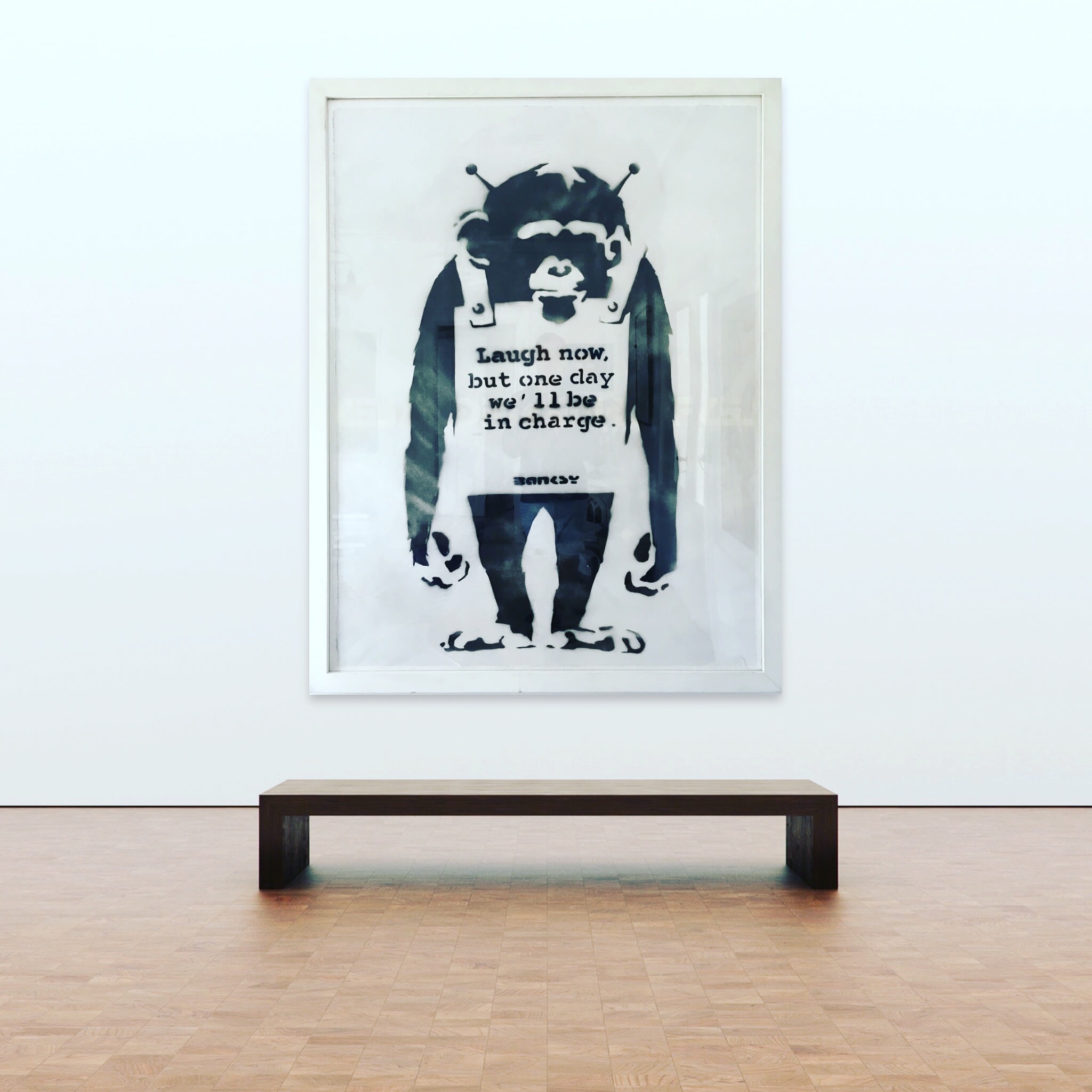
Banksy, "Laugh Now But One Day We´ll Be In Charge" ., 2001 ...
"Laugh Now But One Day We Will Be in Charge" (2001) by Banksy

192. As Lewis puts it, Kahneman and Tversky found that "Human judgement was distorted by . . . the memorable." If "misleading evidence came easily to mind, they made mistakes." As such, it might be the case that because emotional testimony is more memorable than statistics, it might be given greater weight than it deserves.

Similarly, a memorable image or a humorous remark might have more impact than an expert's report.
If an increasing number of people get their political views from social media, is our society doomed to become one in which emotion (humor, fear, anger) trumps reason, evidence, data and expertise? Is there any way to prevent such a development?

195. You May Say I'm a Dreamer

John Lennon and Yoko Ono

195. In a summary of their work, Kahneman and Tversky argue that "We often decide than an outcome is extremely unlikely or impossible, because we are unable to imagine any chain of events that could cause it to occur. The defect, often, is in our imagination" (195).

Which do you think is a bigger problem in today's society: people who struggle to imagine that our world might change significantly in the future or is undergoing such a change right now? Or people with an "overactive" imagination who too easily imagine scenarios that are unlikely or impossible?

202. Since Appearances Can Be Deceiving

The Children Act | A24
"The Children Act" (2018), starring Emma Thompson

202. According to Tversky and Kahneman, if you give an evaluator irrelevant specific, biographical information about another person, it will harm the evaluator's ability to make a wise judgement about that person. In other words, when it comes to evaluation, irrelevant information is not simply neutral--it is actually harmful.

Consider how it might be possible to screen out irrelevant information in the electoral process, the courtroom, the health care system, the classroom, in a business, or in the management of a sports team.

Do you think evaluators in these contexts (voters, jury members, health care professionals, teachers, employers, coaches) might be better off if they had more restricted access to information about the subjects they are evaluating? Would restricting information in some these domains be more helpful (or harmful) in some of these domains than it would be in others? For example, would it be better to read edited reports than to have face to face encounters that are give evaluators access to lots of irrelevant information (including the appearance of the person being evaluated)?

206. I Knew It!

25 REASONS TO 1080 IT: DAY TWENTY THREE | Wizard of oz, Wizard of ...
Still from "The Wizard of Oz" (1939)

206. According to Tversky and Kahneman, when people consider events that have taken place, they greatly overestimate how much they "saw it coming."

Given the recent shocking developments of the Covid-19 pandemic, whose scope so few people could have imagined, do you think people today are likely to be more aware of their limitations when making future plans and cautious about making predictions going forward?

Or are people just as likely as they ever were to overestimate their ability to anticipate what is going to happen next both in their personal lives and in the world more generally?

Has the pandemic given us a lasting lesson or at a fundamental psychological level are we the same people now that we were before the pandemic hit?

216. Rules Don't Apply to Me

Hulu Snaps Up Streaming Rights to ER—As Well As George Clooney's ...
"E.R."

216. According to Redelmeier, "Eighty percent of doctors don't think probabilities apply to their patients . . . Just like 95 percent of married couples don't believe the 50 percent divorce rate applies to them, and 95 percent of drunk drivers don't think the statistics that show that you are more likely to be killed if you are driving drunk than if you are driving sober applies to them" (216).

With respect to Covid-19 statistics, which do you think is a bigger problem:  People don't believe the statistics apply to them? People don't believe the statistics (i.e., question the sources)? The statistics attributed to "experts" are false?  The statistics are real but average people don't know them? Give examples.

220. Faking It

All I've ever really wanted was to know what it feels like to be ...
"The Good Life"

220. Redelmeier argues that the main problem among medical professionals is not ignorance, but a "generalized mood of arrogance" and the need to appear certain.

In your experience, do schools encourage students to fake certainty that they don't have? Or do schools encourage students to question their own assumptions and conclusions?

224. Freedom!!!

FREEDOM!!!!!!!! - Braveheart meme | Meme Generator
"Braveheart" (1995)

224. According to Lewis, Redelmeier, a Canadian, told an American student: "What is it with you freedom-loving Americans? . . . Live free or die. I don't get it. I say, 'Regulate me gently. I'd rather live'" (224).

As an example of "gentle regulation," Redelmeier cites laws that require motorcyclists to wear helmets. Another law might be one that requires motorists to wear seatbelts. Another one might be a law that requires motorists to obey the speed limit. Another one might be one that requires people to wear face coverings during a pandemic.

Do you agree that Americans are generally reluctant to obey laws, even if not doing so will put others in danger? Or do you feel that American reluctance to welcome "gentle regulation" must always be considered on a case by case basis because Americans will happily follow laws as long as they consider them reasonable?

226. The Public Interest

Vivien Leigh in Gone with the Wind (1939)
"Gone with the Wind" (1939)

228. Tversky and Redelmeier found that "in treating individual patients, doctors often did things they would disapprove of if they were creating a public policy to treat groups of patients" (229). In these situations, there was a conflict "between the interests of the patients and the general interests of society" (229).

In situations like these, what do you think is more important: the doctor's freedom to make a decision that benefits the individual patient? Or the larger society's interest in protecting the health of the greatest number of its citizens?

230. Scheduling Downtime

FREE Adventures of Tom Sawyer on Kindle | Gentlemint Reserve
"Tom Sawyer"

230. According to Redelmeier, Tversky believed "The secret to doing good research is always to be a little underemployed. You waste years by not being able to waste hours."

Some might say that the same is true of the intellectual development of college students. Students who take too many classes in order to graduate ahead of time or who take jobs that require them to work too many hours may still manage to get the grades they want, but they may not have the kind of transformative learning experience the requires having downtime to reflect and to discuss.

Do you think overscheduling is a serious problems? Or do you think that the value of a "transformative learning experience" with built-in downtime is overrated? If teachers reduce the workload for their students in order to give them more opportunities to engage with the material, are students like to seek out that kind of engagement or are they more likely to take more classes and take on more work hours?

246.Band of Brothers

Sensuous life in the trenches - The British Library
Trench warfare, World War One

246. According to Yaffa Singer, Israeli soldiers do not really fight for their nation or for Zionism (the ideal that there must be a Jewish nation in Israel). Those larger political questions were not of paramount importance to them. Ultimately, "They were fighting for their friends. Or for their families" (245).

Some might argue that the same thing could be said of soldiers all around the world. If that is true, do you consider this to be a cause for concern? Should soldiers care more about the ideological reasons that motivate their nation's military actions? Or is it as some level humanizing and even comforting to think that soldiers care less about an abstract ideal than they do about the human beings beside them, whom they know and care for?

To put it another way, which is more dangerous: a soldier who fights for an abstraction (e. g. "a way of life" or a national ideal) or a soldier who is largely indifferent to political justifications for military engagements?

250. Emotional Fidelity

Dear John: The songs Paul wrote for Lennon – McCartney Article #3 ...
John Lennon and Paul McCartney

250. Lewis describes Tversky and Kahneman as "two men in love scrambling to find an excuse to be together" (250).

In our culture, sexual relationships are often described in this way, but people rarely consider it normal for platonic relationships, like the one between Tversky and Kahneman, to have this kind of intensity. And if they are, people sometimes suggest that such relationships have a latent sexual content. For example, some people believe that men and women can't have an intense friendship unless one of them is gay.

Do you think if a married partner were engaged in an intense but entirely platonic relationship with someone else, would you consider that infidelity?

261. FOMO

SAIT Chartwells on Twitter: "The FOMO struggle is real. TGIF and 2 ...
261. Utilitarians have long argued that people do everything they can to increase their overall happiness. Tversky and Kahneman, on the other hand, that people mostly try to minimize potential future regret. This phenomenon is also known as the "FOMO" or the Fear of Missing Out.

We usually think of "fear" as a negative. People do not generally aspire to be "fearful." But if the fear of missing out motivates people to act in their own self-interest, it could serve a positive purpose.

Can you think of a scenario in which the Fear of Missing Out might actually decrease someone's overall happiness? Have you ever had personal experience with this phenomenon?

267. Second Place Face

Second place is just the first place loser.' | Freya Noble
Silver Medalist Mckayla Maroney (London, 2012)

267. Kahneman and Tversky observed that "the nearer you came to achieving a thing, the greater the regret you experienced if you failed to achieve it" (267). Have you ever had the agonizing experience of coming up just short of a goal? Has your frustration in such a situation ever been great enough that you almost wished you hadn't competed?

267. Jack and Jill

In Defense of Adam Sandler's 'Jack and Jill' - mxdwn Movies
"Jack and Jill" (2011)

Consider the following questions.  You don't need to record your answers.

1: Today Jack and Jill each have a wealth of 5 million. Are they equally happy?

2. Yesterday Jack had 1 million and Jill had 9 million. Today they each have 5 million. Is Jack happy? Is Jill happy?

3. Yesterday Jack had 1 million. Today Jack has 5 million. Is Jack happy?

4. Yesterday both Jack and Jill had 1 million. Today Jack has 5 million, but Jill has 9 million. Is Jack happy? Is Jill?

What do these questions and your answers to them suggest about the nature of happiness and justice? In the context of these questions, what is the difference between envy and fairness?

273. Leeroy Jenkins!


 273. Tversky and Kahneman found that when it comes to money, people are less willing to take risks than they are when it comes to politics, war, or human relations. They imply that it would be wiser for people both to choose more cautious political leaders and to be more cautious in their interactions with other people.

Critics of this view might suggest that caution is not the way to affect meaningful change in the world, because fortune favors the bold.

Can you think of any "heroes," fictional or non-fictional, who are admired for their wise caution?

278. The Pitch

278. According to Lewis, "Economists assumed that you could simply measure what people wanted from what they chose." This is the "utility theory" espoused by Utilitarian philosophers, who have argued that if you want to know what someone values, pay less attention to what they say they value and pay more attention to the choices they make. Talk is cheap, as they say.

But Kahneman and Tversky pointed out that someone's choices can vary significantly according to the way something is described to them. In this sense, "talk" is much more important than a Utilitarian might expect. As such, you can't assume that someone's choices represent deep preferences for one thing or another. Their choices might just as well represent their positive response to the way one thing or another is described to them.

Have you ever found that your attitude toward an activity or a product has been significantly altered by the way someone else has described that activity or product to you?

Friday, July 10, 2020

292.There Can Be Only One

Meme: "There can be only one" - All Templates - Meme-arsenal.com
"The Highlader"

292. Miles Shore did research on "fertile pairs," unmarried couples who produce interesting research or art together. Do you think it is possible that we might be able to create more success stories like these if institutions hired more people to work together as "co-directors" of projects, "co-teachers" of classes, or "co-coaches" of teams?'

There are many domains in which we expect one person to be in charge. Is that necessary or is just something we've grown used to?

306. Status Updates

Cribs' Episode With Destiny's Child from 2000 Resurfaces
"Destiny’s Child poses on a couch in Beyonce’s house May 20, 2000 in Houston, TX." (US Weekly/Pam Francis/Liaison)

306. Lewis reports that status differences between Tversky, who taught at Stanford, and Kahneman, who taught at the less prestigious University of British Columbia, contributed to tensions in their relationship. Have you felt resentment when a friend was attributed a higher status than you were when they didn't necessarily deserve the higher status more than you did? Contrastingly, have you ever enjoyed a status bump that you lived to regret because it damaged your relationship with a peer?

Generally speaking, what do you think is a bigger problem: envious people who feel resentment toward those who have a higher status or arrogant people who feel superior to those who have lower status?

317. Culture of Dissent

A Great and Simple Theme – Classic Film Review
317. Tversky found that the "cockpit culture of a commercial airliner did not encourage people to point out the mental errors of the man in charge" (317). Even though people could sometimes see when other people's minds were misleading them, they were reluctant to speak up.

Can you think of any other places or cultures where people are discouraged from pointing out the mental errors of the person in charge? Can you imagine how changing that culture could make it more or less effective?

320. A little knowledge is a dangerous thing

Monty Python witch Blank Template - Imgflip
Still from "Monty Python and the Holy Grail" (1975)

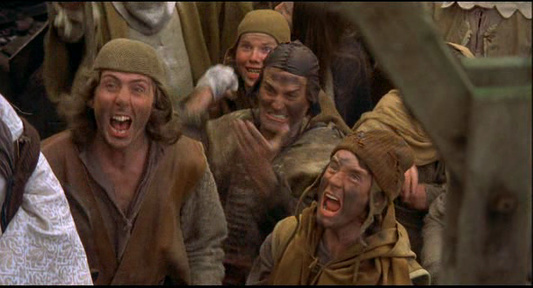
320. Tversky found that "The masses were not equipped to grasp" the message he and Kahneman had to share with them. As Lewis puts it, "The subtleties were beyond them. People needed to be protected from misleading themselves into thinking that their minds were less trustworthy than they actually were" (320).

If someone were to tell you that the lesson of this book was that your "minds could never be trusted," what do you think Tversky would say to counter this summary?

334. To Have and To Distort

Homer and Marge Simpson assure fans that their marriage is solid in a new video.
334. Lewis asks, provocatively, "what is a marriage if not an agreement to distort one's perception of another, in relation to everyone else?" (334).

Would you agree that a healthy, long-term relationship requires some kind of "willful distortion" and, perhaps, a willingness to the see the good in someone else even when it is not always evident? Or do you think it this kind of willful distortion may be the reason so many people endure long term relationships that are unhealthy and even toxic?

343. Aroma Technician?

15 Odd and Worst Jobs in the World That May Make You Appreciate ...
World's Worst Job? 

343. According to Lewis, Cass Sunstein has shown that people don't choose between things, they choose between descriptions of things.

As an exercise in the power of description, choose one of the two following creative writing tasks:

a) Describe a terrible job in a way that makes it sound appealing;

b) Describe your favorite movie or book in a way that makes it sound boring.

50-word max on this one.

345. If You Don't Know, Now You Know


345. According to Lewis, Robert Tibshirani's research proves that "talking on the phone while driving is as dangerous as driving with a blood alcohol level at the legal limit" and "A driver talking on a cell phone was four times as likely as a drive who wasn't to be involved in a crash, whether or not he held the phone in his hands." But people who would not let other friends drive drunk have no problem talking to them on the phone while they were driving. And voters who might support laws against drunk driving would not currently support laws against talking on the phone while driving, even though it is not just the person talking on the phone who might suffer if they crash their car.

How likely is it that this information will change your talking/driving behavior? Why or why not? How likely are you to share this information with friends and family?

*The clip above is from the feature film "Locke" (2014), starring Tom Hardy.  For almost the entire movie, the main character is talking on the phone while driving.

Thursday, July 9, 2020

Meme City: The Undoing Project

One Does Not Simply Meme |  ONE DOES NOT SIMPLY; CREATE A NEW MEME... | image tagged in memes,one does not simply | made w/ Imgflip meme maker
Throughout this book, Lewis discusses various biases that Kahneman and Tversky identify and explore.  A few of them are listed below with associated page numbers (there are many more that are not listed).

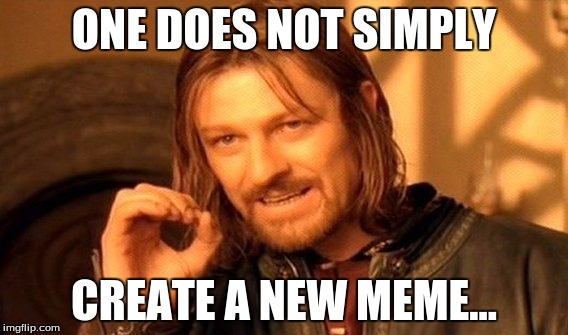
Can you transform some of these lessons into original memorable memes using an online meme generator program?

They say a picture is worth a thousand words.  For the purposes of this assignment, an effective, original meme is worth 100 words (must include page reference to the section in the book where the psychological phenomenon is discussed).

Paste your memes into the comments box.

44. The Endowment Effect.
People put a higher value on the things they own than the things are actually worth.

126. Regression to the Mean.
People overvalue the impact of praise and criticism on performance, which is less powerful than the tendency of people to return to their average performance level.

148. Confirmation Bias.
People ignore the evidence of their own eyes when it contradicts a theory they believe.

192. Memorability and Recency Bias.
Whatever people think of faster (because it was more recent or more memorable) seems more likely or representative to them than it actually is.

206. Hindsight bias.
After the fact, people think something was bound to happen, when it was not actually possible to foresee.

278. Framing
The answers people give are greatly affected by the way a question is phrased.

The Undoing Project Takeaway

So you've read The Undoing Project now. In 100 words or less, identify the part of the book that is most likely to stick with you the longest. What's your take away? Don't answer this question until you've finished reading the entire book.

Wednesday, July 8, 2020

Digging Deeper into The Undoing Project


Which Biblical narrative is embodied in "The Undoing Project"?  Watch the video above for a theory about that (which Lewis doesn't like) and much more, including the one takeaway Lewis hopes everyone gets from his book.

Click here for the Michael Lewis podcast

Below: a short video featuring Kahneman.

Below: a longer video featuring Kahneman.

Below:  a video featuring Amos Tversky.


Below are some trailers based on some of Michael Lewis's previous books:

The Big Short (2011 )


The Blind Side (2007).


Moneyball (2004):


Friday, March 27, 2020

An Honorable Global Perspectives Quarantine Cinema Sound Off

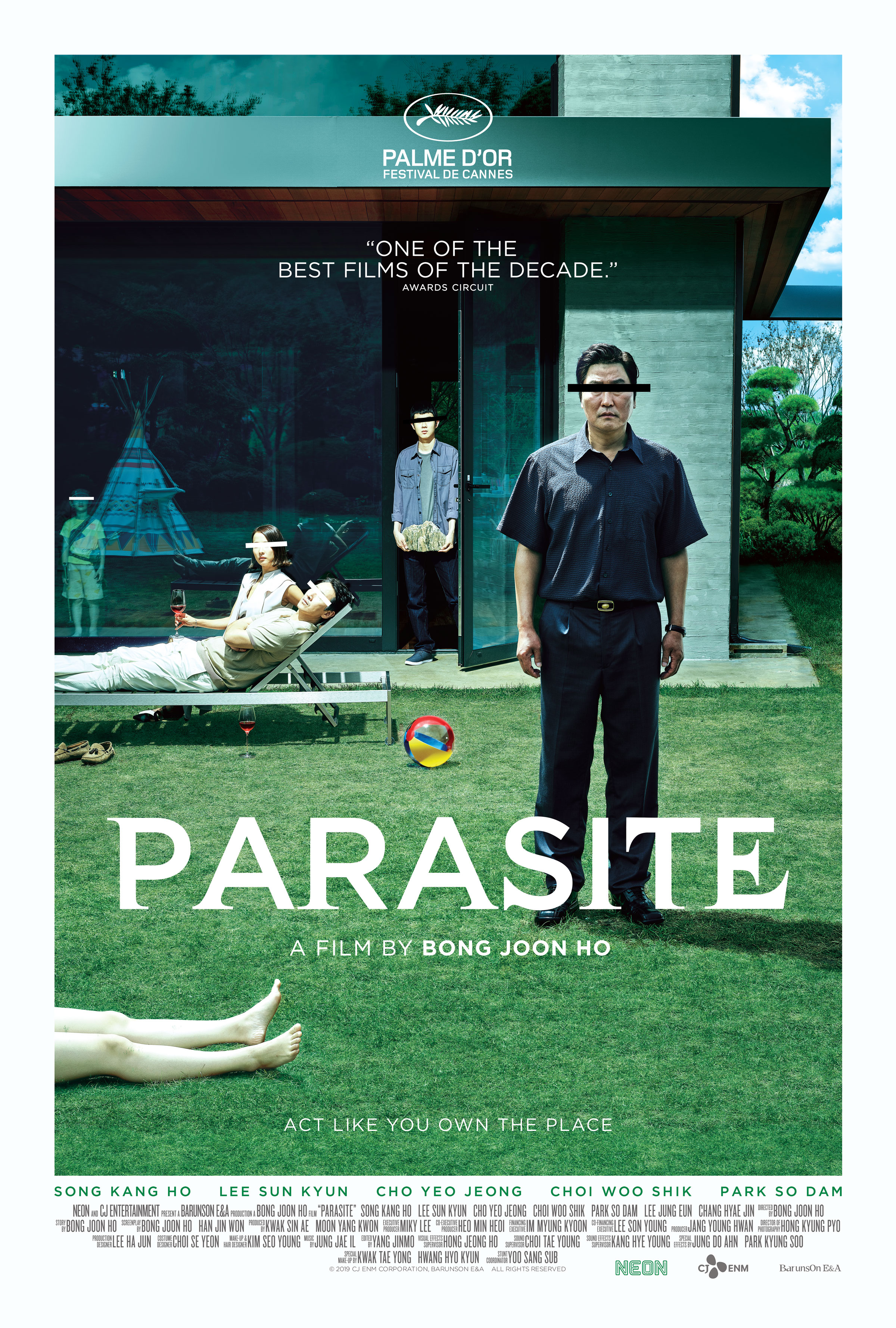
Parasite (2019) - IMDbWe were planning on hosting a public screening of Parasite, winner of this year's Academy Award for Best Motion Picture (the first foreign language film to win that honor) on Thursday, April 9th.

We can't do that now because of the Covid-19 shutdown, but the film is currently available on several streaming platforms for $5.99. So we invite you to watch at home (at your convenience) and join an Honorable online conversation in the comments section of this post.

Discussion starter: in what way does this film relate to any of the issues you've encountered in any of your Honors seminars
classes thus far?

How does the experience of watching a film like this at home compare to the experience of watching it in a theatre?

Whom do you empathize with most in this film?

What significance to do you attribute to the title? Is there more than one kind of parasitic behavior in this film?

If this film were adapted into an American context, would it change the film significantly if the poor family was African-American or Hispanic? What if they were immigrants? Would such a change supercharge the film's tensions? How would it affect the film's political impact? Is the film sympathetic to the poorer family or does it demonize them?

You are likely to have an immediate response to the film when you see it. Share that but also try to push through it. Let your thoughts simmer and come back to them later. If there are other comments, read and respond to them.